
Trees add beauty, shade, privacy, and value to residential and commercial properties. They improve air quality, provide habitat for wildlife, and create a more comfortable outdoor environment. However, as trees mature, they require ongoing maintenance to remain healthy and safe. Property owners are often faced with an important question: should the tree be pruned, or is complete removal the better option?
Understanding the difference between tree pruning and tree removal can help you make the right decision for your property while avoiding unnecessary costs and safety risks. Whether you are dealing with overgrown branches, storm damage, or a declining tree, knowing when to act is essential.
For Adelaide property owners, professional assessment can determine whether a tree can be preserved through maintenance or whether removal is the safest solution.
Understanding the Difference Between Tree Pruning and Tree Removal
Although both services involve managing trees, they serve very different purposes.
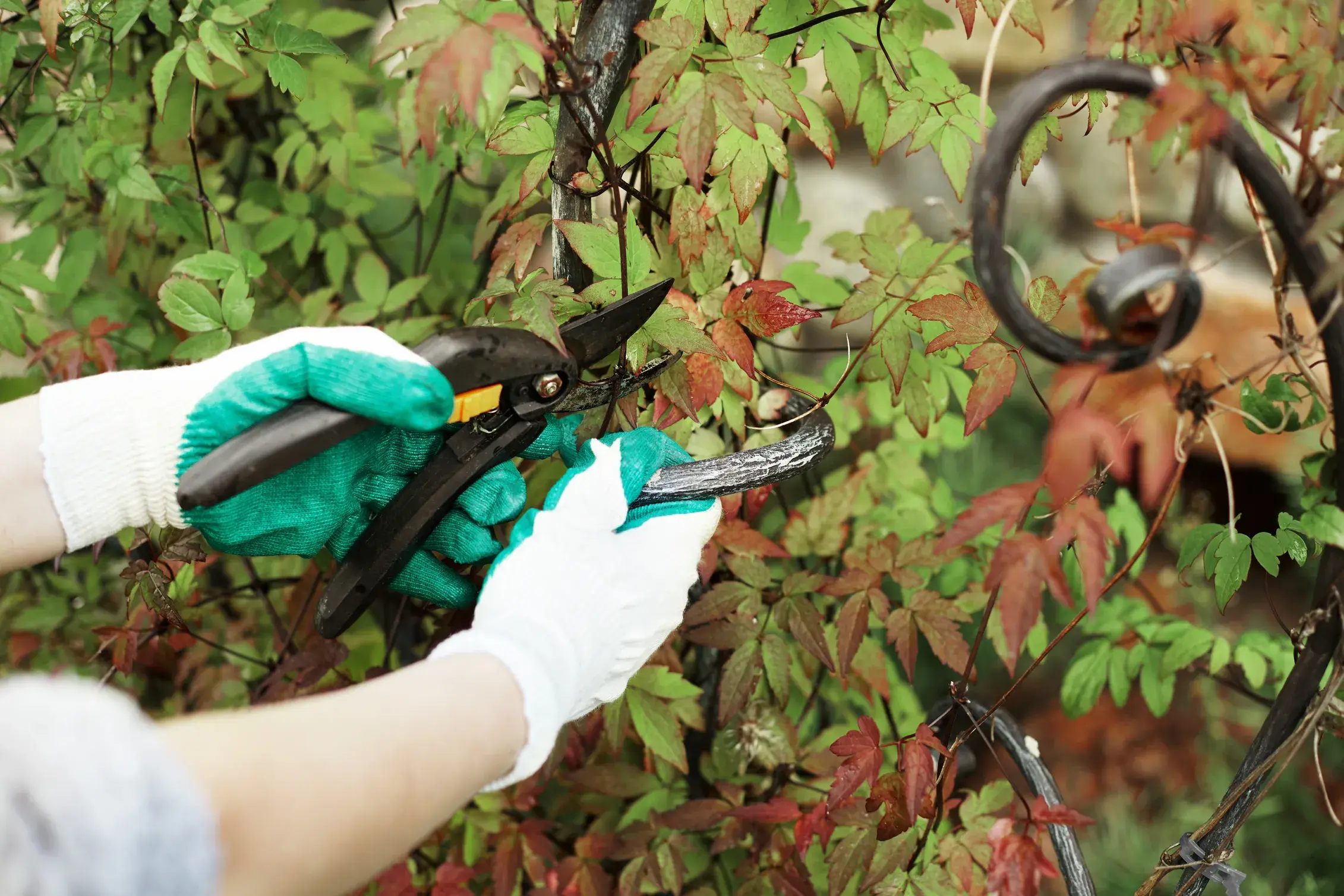
Tree pruning focuses on improving the health, structure, and appearance of a tree by selectively removing branches.
Tree removal involves completely removing the tree when it poses a risk, is beyond recovery, or no longer suits the property’s needs.
Choosing the right service depends on the condition of the tree, its location, and any potential hazards it may create.
When Tree Pruning Is the Right Choice
Pruning is often the preferred option when a tree remains healthy but requires maintenance. Proper pruning helps trees grow stronger while reducing the risk of branch failure.
Tree pruning may be recommended when:
- Branches are overhanging roofs, driveways, or pathways
- The canopy is becoming too dense
- Dead or damaged limbs are present
- Minor storm damage has occurred
- Branches are interfering with power lines
- You want to improve the tree’s shape and appearance
- Additional sunlight or airflow is needed
Regular pruning offers several benefits:
Improved Tree Health
Removing dead, diseased, or damaged branches allows the tree to direct energy toward healthy growth. This can improve vitality and reduce the spread of disease.
Increased Safety
Overhanging limbs can become hazardous during strong winds or storms. Pruning reduces the likelihood of branches falling and causing damage.
Better Appearance
Well-maintained trees enhance the visual appeal of your property and contribute to a tidy landscape.
Longer Tree Lifespan
Routine maintenance helps trees remain structurally sound and healthy for many years.
If your tree is healthy and structurally stable, professional pruning is usually the most cost-effective and environmentally friendly solution.
Learn more about Tree Pruning & Cutting Adelaide:
When Tree Removal Becomes Necessary
While pruning can solve many tree-related issues, there are situations where complete removal is the safest option.
A tree may need to be removed if:
- The trunk is severely cracked, hollow, or structurally compromised
- The tree is leaning significantly
- Root systems are damaging foundations, paving, or underground services
- The tree is dead or dying
- Severe pest infestations have weakened the structure
- Major storm damage has compromised stability
- The tree presents an immediate safety hazard
In these circumstances, retaining the tree may place people, buildings, vehicles, and neighbouring properties at risk.
Professional Tree Removal Adelaide services ensure dangerous trees are removed safely and efficiently.
Tree Pruning vs Tree Removal: Quick Comparison
| Tree Pruning | Tree Removal |
| Removes selected branches | Removes the entire tree |
| Preserves healthy trees | Eliminates hazardous trees |
| Improves growth and appearance | Resolves major safety concerns |
| Lower cost option | Higher investment due to complexity |
| Ongoing maintenance | Permanent solution |
| Environmentally beneficial | Necessary when risks outweigh benefits |
Warning Signs Your Tree May Need Removal
Some tree issues are not immediately obvious. Property owners should monitor for signs that indicate serious structural problems.
Common warning signs include:
Large Dead Branches
Extensive deadwood can indicate declining health and increased risk of failure.
Deep Trunk Cracks
Visible cracks often suggest structural weakness that pruning alone cannot fix.
Fungal Growth
Mushrooms growing around the base may indicate root decay or internal rot.
Significant Leaning
A tree that suddenly begins leaning may have root instability and should be inspected immediately.
Root Damage
Construction work, excavation, and soil movement can compromise root systems and affect stability.
If you notice any of these signs, consult a qualified arborist.
Learn more about our Arborist Adelaide services:
Safety and Property Protection
Large trees located near homes, sheds, fences, swimming pools, or power lines require careful evaluation. Even healthy-looking trees may have hidden defects that increase the risk of failure.
Professional assessment is essential because internal decay, root damage, and structural weaknesses are not always visible from the outside.
Attempting DIY tree removal can be dangerous and may result in serious injury or significant property damage. Professional crews use specialised equipment, safety procedures, and industry-approved techniques to manage high-risk removals safely.
J & B Tree Service has the experience and equipment to assess every project individually and recommend the safest, most effective solution.
Long-Term Landscape Planning
Tree management decisions should support your property’s future goals.
If you are planning renovations, installing a pool, extending outdoor living areas, or redesigning your landscape, certain trees may limit available space or interfere with construction.
However, healthy trees often provide valuable benefits such as:
- Natural shade
- Energy efficiency
- Increased privacy
- Improved property value
- Enhanced curb appeal
- Environmental benefits
Whenever possible, preserving healthy trees through pruning is usually the preferred approach.
If you have ageing or overgrown palms, explore our Palm Tree Removal Adelaide service:
Don’t Forget the Tree Stump
Removing a tree is only part of the process. Leftover stumps can become a tripping hazard, attract termites and pests, or make future landscaping difficult.
Professional stump grinding removes the remaining stump efficiently, leaving your yard clean and ready for new planting or outdoor improvements.
Making the Right Decision
Choosing between tree pruning and tree removal depends on several factors, including the tree’s health, structural condition, location, and your long-term property plans.
In many cases, regular pruning can successfully extend the life of a healthy tree while maintaining safety and appearance. However, when structural damage, disease, or safety concerns become significant, removal may be the most responsible solution.
Professional evaluation helps identify risks that may not be visible to an untrained eye and ensures the right decision is made for your property.
If you’re unsure whether your tree needs pruning or removal, contact the experienced team at J & B Tree Service for expert advice and safe, reliable tree care across Adelaide.
Visit J & B Tree Service and learn more about our complete range of tree services:
Frequently Asked Questions
1. How do I know if my tree is dangerous?
Look for leaning trunks, deep cracks, large dead branches, fungal growth, or exposed roots. A professional inspection provides the most accurate assessment.
2. Can pruning save a damaged tree?
Yes. Minor storm damage and isolated branch problems can often be corrected through pruning. Trees with severe structural damage may require removal.
3. Is tree removal expensive?
Costs vary depending on the tree’s size, location, accessibility, and complexity. Addressing issues early often reduces overall costs.
4. Does removing a tree increase property value?
If the tree is hazardous, diseased, or poorly positioned, removal can improve safety, usability, and curb appeal.
5. Should I remove a healthy tree?
Generally, no. Healthy trees provide environmental, aesthetic, and financial benefits. Removal is usually recommended only when necessary.
6. How often should trees be pruned?
Most mature trees benefit from professional pruning every two to five years, depending on the species and growth rate.
7. Can an arborist tell if a tree is dying?
Yes. A qualified arborist can assess tree health, identify diseases, and recommend the most appropriate treatment.
8. What is the best time of year to prune trees?
The ideal time varies by tree species, but many trees benefit from pruning during the dormant season to encourage healthy growth.